Free take home whitening when you book a new patient exam with X-Rays & Cleaning!

Have you ever noticed a celebrity with a perfect smile and wondered, “What are dental veneers?”
Dental veneers are thin, custom-made shells that cover the front of your teeth. They help hide cracks, chips, stains, and other cosmetic issues. Veneers are a popular choice in cosmetic dentistry.
These veneers are usually made from porcelain or resin-composite materials and are permanently attached to your teeth.
Before getting dental veneers, it's important to understand their benefits, the different types available, and the costs involved.
We all want our smiles to shine bright, right?
Whether you've always had crooked or stained teeth, or if you've experienced damage from an accident, veeners are a great solution for you.
While whitening treatments can certainly brighten your smile, dental veneers can truly give your teeth a fresh, gorgeous look.
Your dentist will work with you to find the perfect shade and shape of veneers that will blend with your existing teeth, ensuring a completely natural appearance.
One of the best things about dental veneers is that they require far fewer visits compared to traditional braces or crowns. In just two visits, you could be on your way to a stunning new smile.
Plus, they involve minimal tooth modification—usually just a tiny bit of enamel is removed to make sure the veneer fits comfortably.
And the cherry on top? With proper care, veneers can last you 10 to 15 years, so they’re a wonderful long-term investment in your smile.
This means you don’t have to worry about constant maintenance or repairs like you would with other treatments.
Keep in mind that even with veneers you will still need to attend cleaning appointments or fluoride treatments.
While veneers can create a beautiful smile, there are a few things to keep in mind:
A typical question in our clinic is what are dental veneers made out of.
Dental veneers are typically made from porcelain or composite resin and do require some prep work.
However, if you’re looking for something a bit simpler, there are also “no-prep” veneers that can be applied using a different, less intensive process.
Porcelain veneers can address various aesthetic flaws.
These custom-made enhancements are designed specifically to fit your unique dental structure.
Some dentists may start by gently shaping your teeth and taking impressions to create a mold for your veneers.
This mold is then sent to a lab where the porcelain veneer is crafted just for you.
Once your veneer is ready, your dentist will carefully place it on your prepared tooth and secure it in place with cement.
Composite veneers are a great option for hiding minor cosmetic imperfections.
When you decide on composite resin veneers, your dentist will start by gently etching the surface of your tooth.
Then, they'll apply a thin layer of the composite material to prepare your tooth for perfection.
To finish the process, your dentist will use a special light to cure, or harden, the composite veneer.
No-prep or minimal-prep veneers are a less invasive option for improving your smile. Like traditional porcelain veneers, no-prep veneers are custom-made but require less enamel removal.
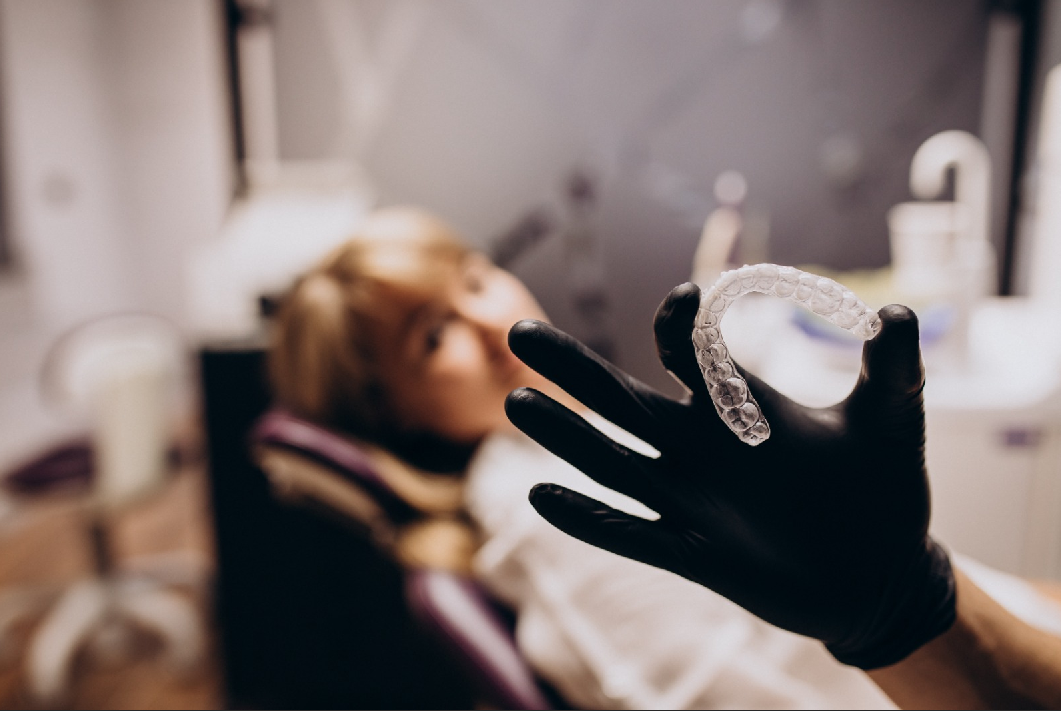
Removable veneers, often referred to as pop-on or snap-on veneers, are also a choice.
Just like retainers, you can easily pop them in and out whenever you like.
But keep in mind they might make eating a bit trickier and could affect your speech initially.
Choosing the right type of veneer for you really comes down to your budget and what you’re looking for!
If you're willing to invest a bit more, porcelain veneers might be the way to go. They’re strong, long-lasting, and they resist stains really well.
On the other hand, resin-based veneers are a more budget-friendly option, though they might not hold up as well over time.
What are dental veneers? A great wait to get the smile you want.
Whether you need just one veneer for a chipped tooth or are thinking about getting four to six for that perfect look, Dental Arts Clinics is here to help!
Our team can guide you in choosing the best type of veneer based on your personal goals and budget.
Ready to get started? Book your appointment with us today!
.jpg.jpg)