Free take home whitening when you book a new patient exam with X-Rays & Cleaning!

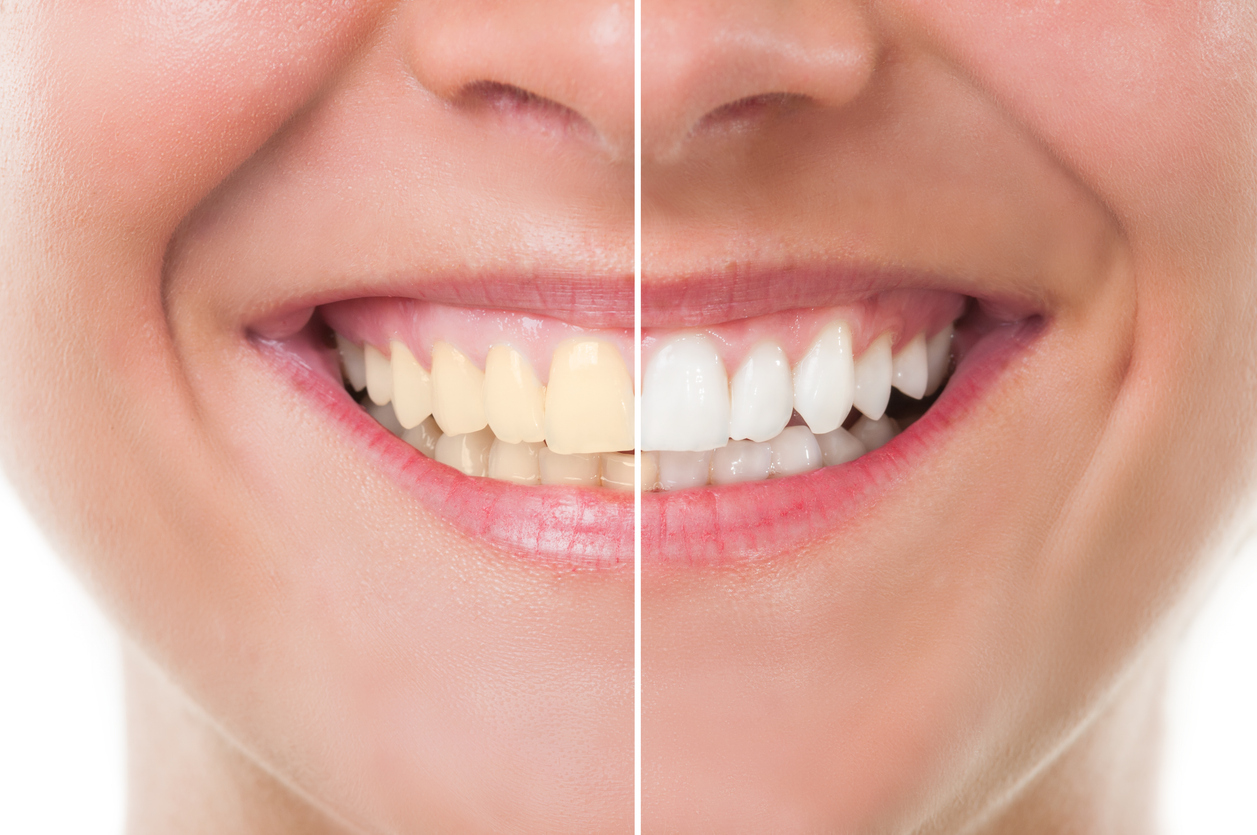
If you have discolored yet healthy teeth that haven’t been restored, teeth whitening is certainly one of the best treatments available for you.
In fact, next to veneers and dental bonding, teeth whitening is the most requested cosmetic dental treatment in our clinic.
However, many patients don’t realize that how well whitening solutions work depends on how stained their teeth are.
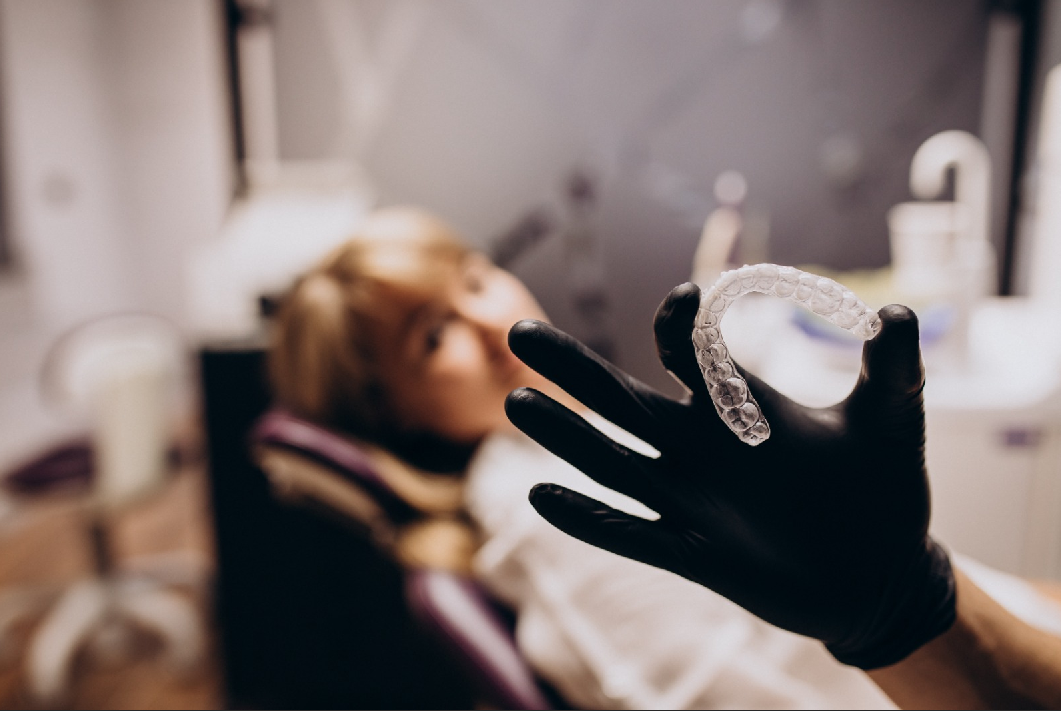
Also, whitening treatments, whether from a kit or in Dental Arts Clinic, do not permanently keep teeth white.
This is because people often eat and drink things that cause staining.
If you eat these right after your in-office treatment, the results may not last as long as you want.
So, you might be wondering: What can I eat after teeth whitening?
Keep reading to discover what foods you can enjoy after teeth whitening.
Before jumping into the diet to follow after whitening your teeth, it’s important to understand how teeth get stained in the first place.
This knowledge will help you make better choices for your diet in the long run.
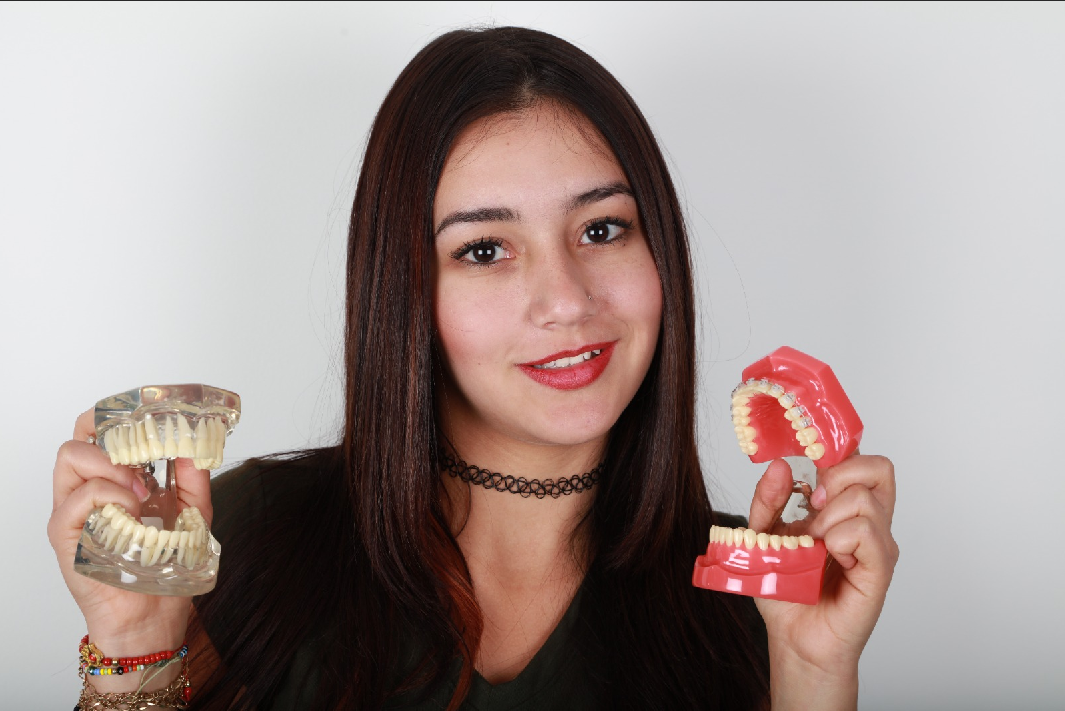
To begin with, let’s look at the structure of your teeth. Each tooth consists of three main parts: the root, the neck, and the crown.
Teeth whitening only changes the crown, which is the visible part of your tooth.
The crown is covered by enamel, which is the hardest and strongest layer of your tooth.
Its color can vary from slightly yellow to a more grayish-white shade, which explains why some individuals naturally have whiter teeth than others.
The primary function of enamel is to protect the inner part of the tooth, which contains sensitive nerves. Consequently, it is highly susceptible to the foods and drinks we consume.
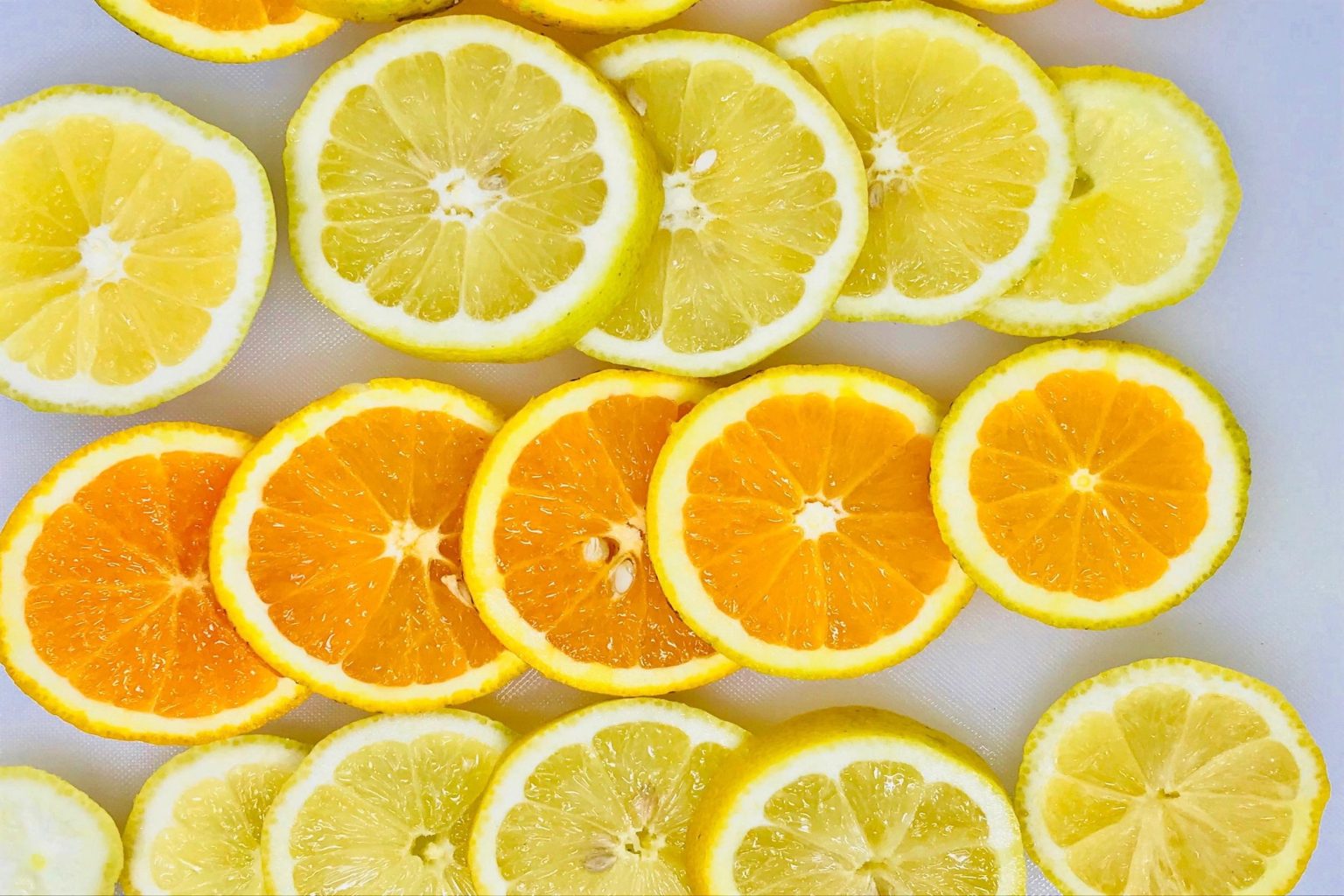
There are three main things that can cause your teeth to get stained: acids, tannins, and chromogens. You’ll find these in many foods and drinks.
After teeth whitening, your teeth can absorb stains from food and drinks more easily.
To avoid staining, staying away from these items for the first 48 hours after the treatment is essential.
However, keep in mind that teeth can become stained for various reasons, not only by the food you eat.
These reasons can generally be split into two groups: extrinsic and intrinsic causes.

Teeth can get stained for two main reasons: from outside factors (extrinsic stains) and from inside the tooth (intrinsic stains).
Extrinsic stains form on the tooth’s surface due to things we eat and drink, like red wine, coffee, tea, and dark sauces.
Smoking and using tobacco also cause discoloration, as does not brushing and flossing enough, which can lead to plaque buildup.
Intrinsic stains come from inside the tooth.
As we get older, the enamel can wear down, showing the yellowish dentin underneath.
Injuries to the tooth can also change its color.
While certain medications, like antibiotics, can cause stains.
Similar to the care required after dental implants or extractions, it’s important to follow a specific diet after teeth whitening.
For at least 48 hours, follow this recommendation.
After a week, you can return to your usual eating habits, but it’s a good idea to avoid brightly colored foods and drinks, especially for the first three days.
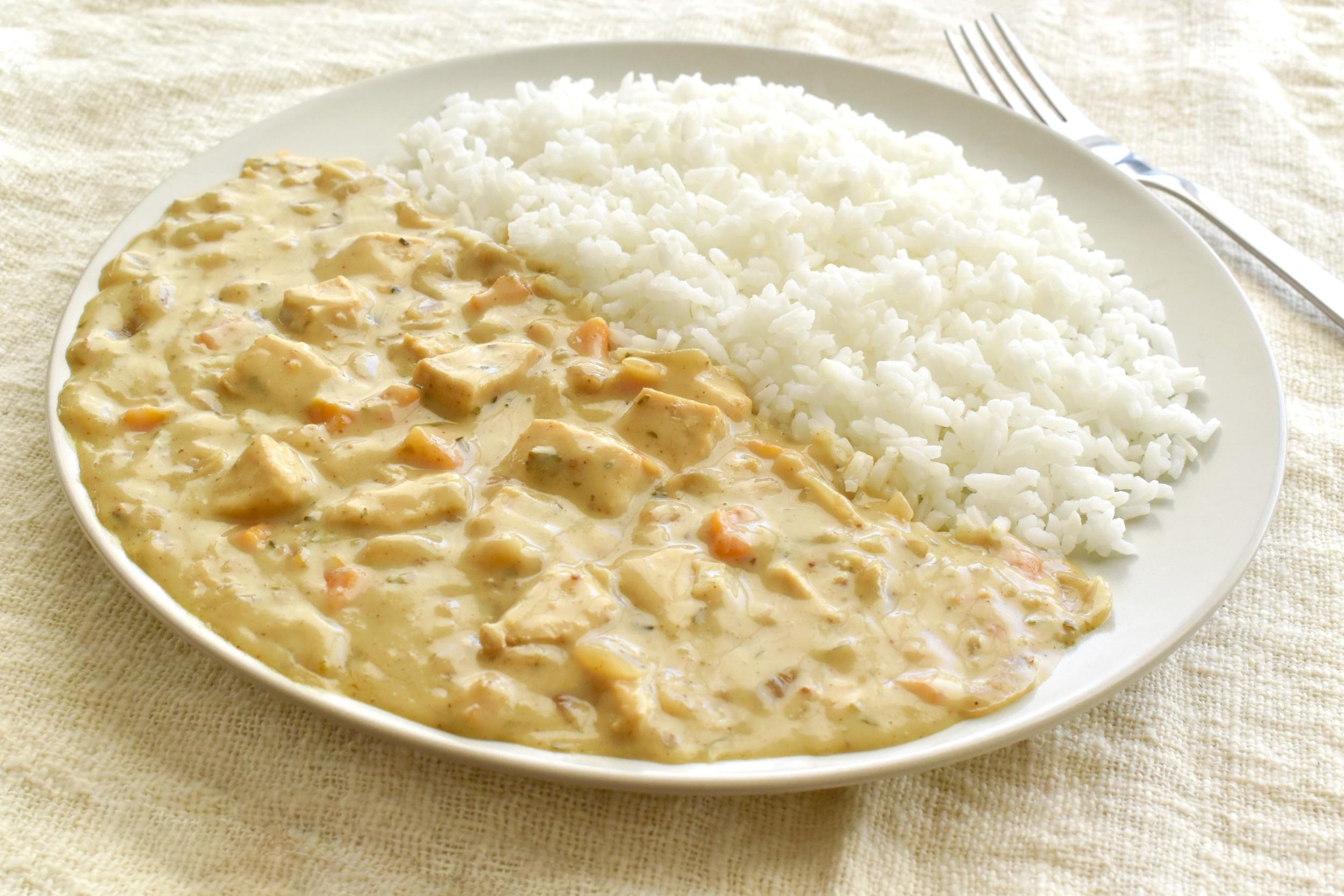
Choose light-colored and acid-free foods after treatment.
You could whip up some scrambled eggs for breakfast with just the egg whites. Porridge and plain yogurt are good too.
If you’re in the mood for bread, go for regular white bread without the crust.
For lunch, a simple sandwich works well. Again, use white bread without the crust. Turkey and chicken are healthy protein options but avoid dark spreads or jams.
For dinner, choose chicken or white fish for your protein. Stay away from red meats, as they can stain your teeth.
Mashed potatoes complement your main meal as a nutritious and safe side dish.
And if you want a snack, a banana is always a good option.
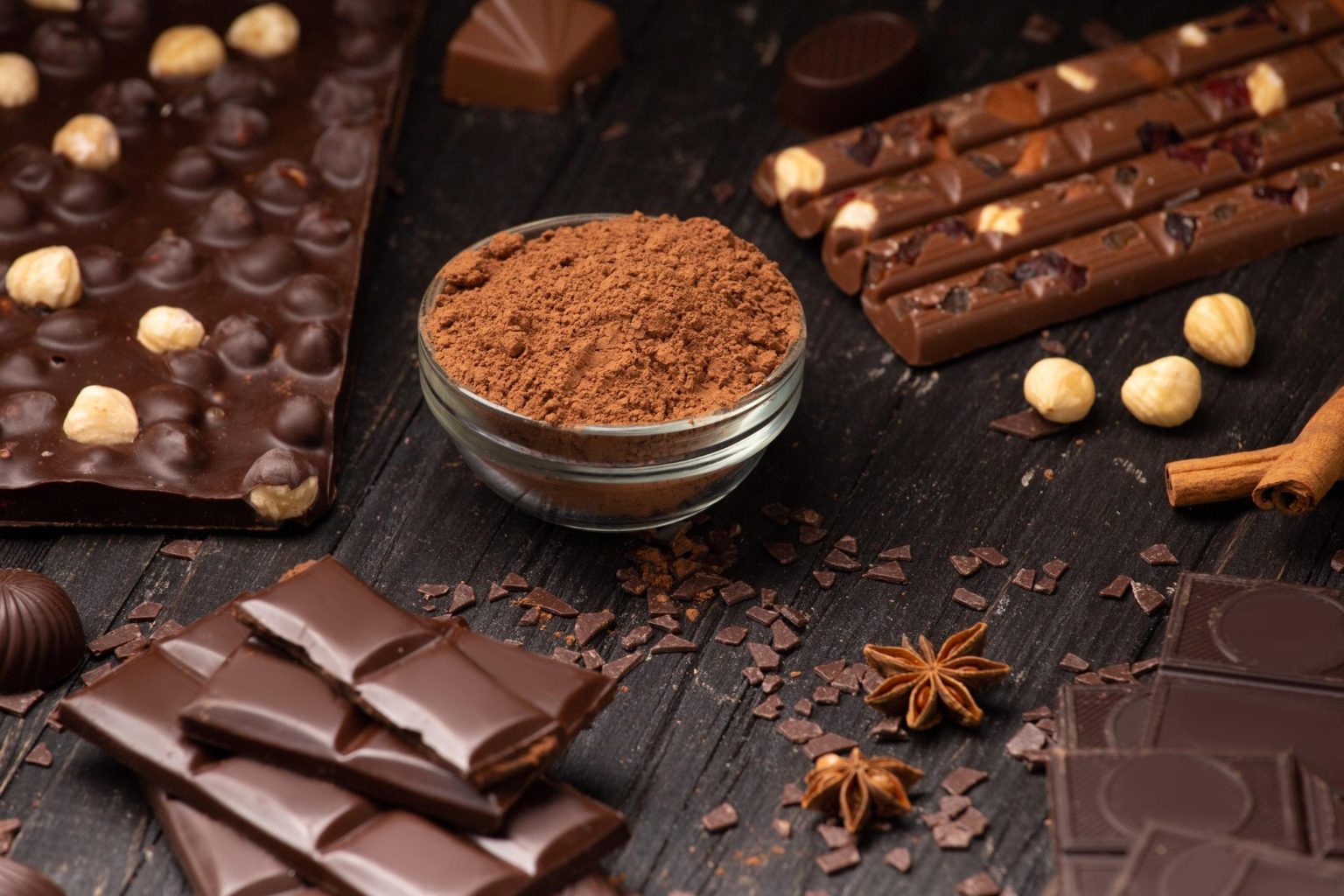
If it can leave a mark on a white shirt, it can definitely leave a mark on your teeth.
Here are some things you should steer clear of:
Teeth whitening can boost your confidence when you smile.
It’s a quick treatment that doesn’t require any prior preparation and can be completed in just one day.
Also, the diet you’ll need to follow is quite manageable and only necessary during the first 48 hours after your whitening treatment.
If you’re interested in teeth whitening in Toronto, book an appointment with us today.
.jpg.jpg)